
"Ethiopian arabica"
2000 article(s) found

Introduction to the characteristics of Ethiopian Coffee Brand Flavor description in the Top Ten Coffee producing countries
Yega Xuefei is a small town, 700-2100 meters above sea level, synonymous with Ethiopian boutique coffee. It has been a wetland since ancient times. The ancient saying "Yirga" means to settle down and "Cheffe" means a wetland. The mode of production and flavor of coffee here are so outstanding that Ethiopian coffee farmers compete to be proud of the flavor of their coffee, making it the best in Africa.

The Development of Ethiopian Coffee the reasons for the Development of Ethiopian Coffee
Ethiopia, a landlocked country located in the Horn of Africa, is the most populous landlocked country in the world. Ethiopia is regarded as the birthplace of coffee-Arabica species (Arabica). It has rich native varieties and a wide range of genetic sequences, many of which can not be found in other countries. Coffee in Ethiopia is mostly grown by small farmers on their own small estates or in the wild.

What is Ethiopian Buna coffee? Introduction of Sidamo Hanggut Hunkute Coffee Cooperative
Professional coffee knowledge exchange more coffee bean information please follow the coffee workshop (Wechat official account cafe_style) Ethiopia is the hometown of Arabica coffee, it is in the forests of Ethiopia's Kaffa region that you can see wild Arabica coffee. In Ethiopian, coffee is called Bun or Buna, coffee beans (coffeebean

Arabica coffee originates from Ethiopian coffee.
Ethiopia is a coffee-producing country with many legends, numerous varieties, rich orange fragrance and many fresh things, and there is no second country in the world that can compete with it. Ethiopia's long coffee history and cultural scenery have attracted a large number of explorers, archaeologists, botanists, anthropologists and writers to Fangze. The sleeping lion of Africa suddenly woke up after the millennium and burst into bursts.

Is it Robusta or Arabica? Coffee bean variety Ethiopian sun Yega snow
Coffee has more than a hundred varieties of coffee, the more common coffee are: Arabica Arabica, outstanding personality, unique flavor, is the main force of boutique coffee, mainly used for coffee shop management and high-end coffee market supply; Robusta Robusta, rough flavor, high caffeine content, not boutique coffee, often used for instant coffee processing and Italian coffee mixed beans. Ethiopia Typi
Introduction of boutique coffee beans Ethiopian coffee
Ethiopia is the hometown of Arabica coffee, and it is in the forests of Kaffa that you can see wild Arabica coffee. In Ethiopian, coffee is called Bun or Buna, and coffee beans (coffeebean) may be translated from Kaffa Bun. Arabica coffee was discovered early in the Harald area, probably from Kafa.

Introduction to the characteristics of coffee flavor and taste of Ethiopian coffee manor with long, pointed beans
The highest grades of Ethiopian washed coffee Yega Chuefei G1 G2 Sidamo (Yirgacheffe, Sidamo) are Grade 2 and Grade 3 (G2, G3), while most of the sun-processed coffee in eastern Ethiopia are Grade 4 or Grade 5 (G4, G5). In many cases, level 4 coffee is marked as level 5 in order to reduce taxes. At present, the grading is not uniform and messy, because there is also sun processing.

Arabica coffee originated from the common sense of Ethiopian coffee.
Ethiopia is a coffee-producing country with many legends, numerous varieties, rich orange fragrance and many fresh things, and there is no second country in the world that can compete with it. Ethiopia's long coffee history and cultural scenery have attracted a large number of explorers, archaeologists, botanists, anthropologists and writers to Fangze. The sleeping lion of Africa suddenly woke up after the millennium and burst into bursts.

An introduction to the origin of coffee-- characteristics of Ethiopian coffee taste
Ethiopia is the hometown of Arabica coffee, and it is in the forests of Kaffa that you can see wild Arabica coffee. In Ethiopian, coffee is called Bun or Buna, and coffee beans (coffeebean) may be translated from Kaffa Bun. Arabica coffee was discovered early in the Harald area, probably from Kafa.

Boutique Coffee introduces Ethiopian Coffee Yega Sheffield Coffee Sidamo Coffee Harald Coffee
Ethiopia is the hometown of Arabica coffee, and it is in the forests of Kaffa that you can see wild Arabica coffee. In Ethiopian, coffee is called Bun or Buna, and coffee beans (coffeebean) may be translated from Kaffa Bun. Arabica coffee was discovered early in the Harald area, probably from Kafa.

Introduction to the characteristics of Ethiopian Coffee beans Solar Yega Flavor is rich in tropical fruit flavor and high sweetness
Professional Coffee knowledge Exchange for more information about coffee beans please follow the front street of Coffee Workshop (Wechat official account cafe_style)-about Ethiopian Coffee Ethiopia Ethiopia is probably the most eye-catching of all coffee-producing countries. In addition to the unique and outstanding coffee produced in the country, the mysterious legends related to the local coffee add to its charm. With the scent of unrestrained flowers

Brief introduction of Coffee from Ethiopia
Lim G2 Ethiopia is the hometown of Arabica coffee, and you can see wild Arabica coffee in the forests of the Kaffa region. In Ethiopian, coffee is called Bun or Buna, and coffee beans (coffee bean) may be translated from Kaffa Bun. Arabica coffee has long been found in the Harald area, which is very accessible.

Sidamo coffee beans wash Sidamo boutique coffee beans Ethiopian plateau and other places
Ethiopia is the hometown of Arabica coffee, and it is in the forests of Kaffa that you can see wild Arabica coffee. In Ethiopian, coffee is called Bun or Buna, and coffee beans (coffeebean) may be translated from Kaffa Bun. Arabica coffee was discovered early in the Harar area and is likely to come.

Introduction to the flavor description characteristics of Ethiopian coffee varieties with balanced flavor
Ethiopia is the hometown of Arabica coffee, and it is in the forests of Kaffa that you can see wild Arabica coffee. In Ethiopian, coffee is called Bun or Buna, and coffee beans (coffeebean) may be translated from Kaffa Bun. Arabica coffee was discovered early in the Harar area and is likely to come.

What is the wild heirloom coffee bean in Arabica, the main coffee bean growing area in Ethiopia?
Although Ethiopia is famous as the birthplace of coffee, it is still the darling of the boutique coffee world because of its incredible flavors. It is admittedly difficult to have full traceability in recent history, when new regulations made direct procurement possible. When did Ethiopia start growing coffee? Coffee is very old in Ethiopia, but coffee cultivation is not. To 9

Ethiopian Coffee Variety Flavor description introduction of High-quality Coffee beans in producing areas
In February 1977, Lieutenant Colonel Mengistu Haier Maryam (MENGISTU HAILE MARIAM) launched a military coup and served as Chairman of the interim military Administrative Council and head of State. In 1979, the Ethiopian Labor people's Party Organization Committee, dominated by soldiers, was established to implement an one-party system. In 1984, the Ethiopian Workers' Party was formed according to the Soviet Communist Party model. Mengistu, September 1987

The exclusive coffee of the Ethiopian royal family, is there only Arabica in the Yega Sheffield producing area?
For the exchange of professional baristas, please follow the coffee workshop (Wechat official account cafe_style) Yega Xuefei Coffee beans Yirgacheffe Origin: Ethiopia: Yirgacheffe Fog Valley raw beans in the way: sun roasting: shallow roasting flavor: floral flavor, wine and black tea flavor. If you turn all the beans in Africa into a bunch of flowers, Yirgacheffe should be

Ethiopian Coffee Flavor description introduction of High-quality Coffee varieties in producing areas
Ethiopia is the birthplace of the famous Arabica coffee beans, and people have always maintained the tradition of harvesting wild coffee beans. The coffee garden at an altitude of more than 1500 meters has formed a unique coffee style after thousands of years of evolution and adaptation. Ethiopian coffee grown in the natural wild environment is called wilderness coffee, which retains the most primitive and natural taste of coffee beans.

What are the characteristics of Ethiopian coffee? Common coffee beans
Professional coffee knowledge exchange More coffee bean information Please pay attention to coffee workshop (Weixin Official Accounts cafe_style) Front Street-Ethiopian coffee, common coffee varieties Ethiopia has unique natural conditions, suitable for planting all imaginable coffee varieties. Ethiopia's coffee beans are mainly grown as highland crops at altitudes between 1 and 1 above sea level.

Flavor description method of Ethiopian Coffee Manor introduction to the taste of varieties in producing areas
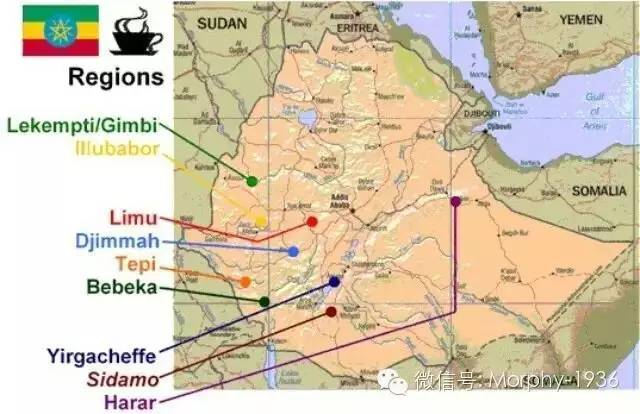
Ethiopia's geographical environment is very suitable for coffee growth. Coffee is mainly grown in the southern highlands between 1100 and 2300 meters above sea level. The main coffee producing areas are Harar, Limu, Djimma, Sidamo, Kaffa, Yergacheffe and Wellega. The soil drainage in these areas is good.